
Lorex Systems Set Up for the Property, Not the Box
Lorex camera installation in Burlington for single-family homes where recorder placement and network reach determine whether footage is usable
Single-camera kits installed without a site plan routinely leave a Burlington home's driveway approach or side yard outside any recorded view—the footage exists, but the moment that matters isn't in it. Integrity Home Technologies installs Lorex security camera systems with placement decisions made for each property rather than following the default positions shown on a box diagram. Owner Stephen Ratcliffe has been installing cameras since age 19 and handles the Burlington area personally, from the initial site walk through remote viewing setup before he leaves the property.
The installation sequence begins with a walk of the property to plan camera positions based on coverage needs and night-viewing performance. Cable runs are then routed from each camera position back to the recorder, which is mounted in a dry, accessible location chosen during the planning phase—not dropped wherever it happens to be convenient on the day of install. Many Burlington and Union homes are single-family properties with long sightlines to the driveway and yard, and on those properties the distance between the camera and the recorder directly affects whether the network connection stays stable and whether footage is retrievable when it is needed.
Arrange a property walk with Integrity Home Technologies to map out Lorex camera positions based on your specific driveway, entry points, and yard coverage needs.
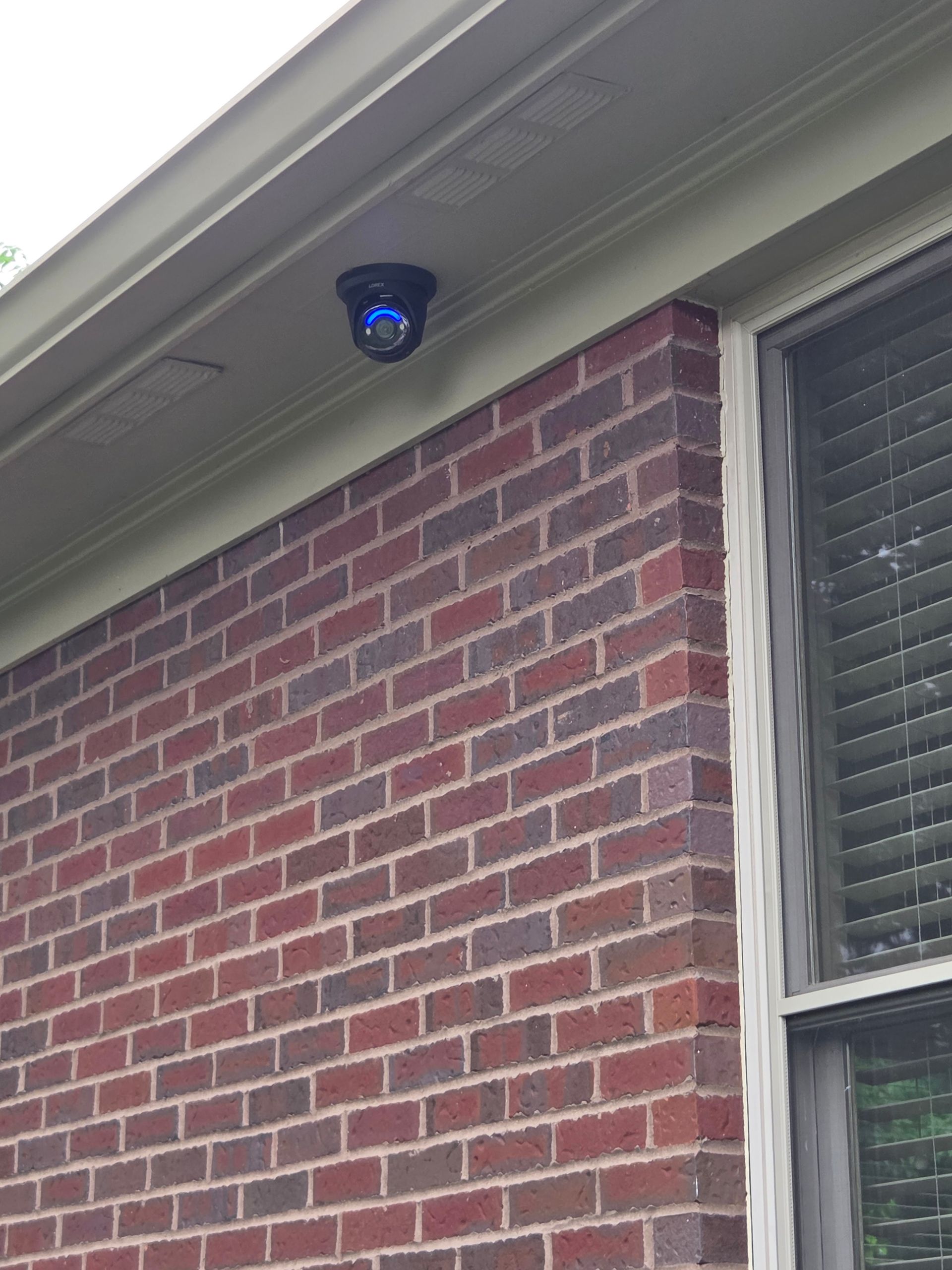
How the Recorder and Network Setup Affect What You Can Actually Use
After cameras are mounted and cabled, the Lorex recorder is connected to the local network and remote viewing is configured on your phone during the same visit. Each camera is verified against its planned field of view before the job is closed—meaning the angle, the night-vision range, and the remote feed are all confirmed working, not left for you to test afterward. Stephen configures remote viewing directly on the customer's device so that checking footage is a straightforward action rather than a technical task requiring a login to a separate app interface.
Once the system is running, the difference is visible: a full perimeter view available from your phone, with each camera confirmed to cover the area it was placed to cover rather than pointing at an unintended surface because the mount angle wasn't checked. On properties with a detached garage or a long side lot, that confirmation step is where coverage gaps from a self-installed kit typically surface—and where adjustments are made before the crew leaves.
Recorder location matters more than most homeowners expect because a unit stored in a closet with inconsistent airflow or mounted where cable runs require sharp bends can reduce the lifespan of the drive storing footage. Placement in a utility area with stable power and accessible cable paths is standard practice during a Lorex installation, and it affects long-term reliability in a way that isn't visible on the day of installation but becomes apparent months later.
What to Know Before Your Lorex System Is Installed
The questions below address the specifics of how Lorex camera installation works—what happens on-site, how positions are chosen, and what a finished system delivers.
How are Lorex camera positions chosen for a residential property?
Positions are selected during a site walk based on entry points, driveway length, and sightlines to blind spots, with night-viewing range factored in before any mounting location is finalized.
Why does cable routing affect Lorex system performance over time?
Sharp bends or runs through areas with temperature fluctuation can degrade the cable signal or shorten the cable's usable life, so routing is planned during the site walk to use the most direct, protected path from each camera to the recorder.
What is checked on each camera before the installation is closed out?
The camera angle is confirmed against its planned field of view, night-vision IR range is tested in reduced light, and the remote feed on your phone is verified as live and accessible before Stephen leaves the property.
How does the size and layout of a Burlington home's lot affect the recorder setup?
On properties with long driveways or outbuildings, the cable run from the camera to the recorder may exceed standard Lorex cable lengths, which means either a network extender or a recorder repositioned closer to the furthest camera positions—a decision made during the site walk.
What is the difference between a Lorex kit self-installed and a professionally planned system?
A kit installed without a site walk defaults to placement at whatever exterior outlets or mounting surfaces are most convenient, which frequently leaves entry points at the side or rear of the property outside coverage. A planned installation maps every angle before drilling begins.
Integrity Home Technologies also installs Lorex camera systems in Cincinnati, Northern Kentucky, Union, Lebanon, and Newport. To start with a site walk and a coverage plan specific to your property, call (513) 375-2342.